
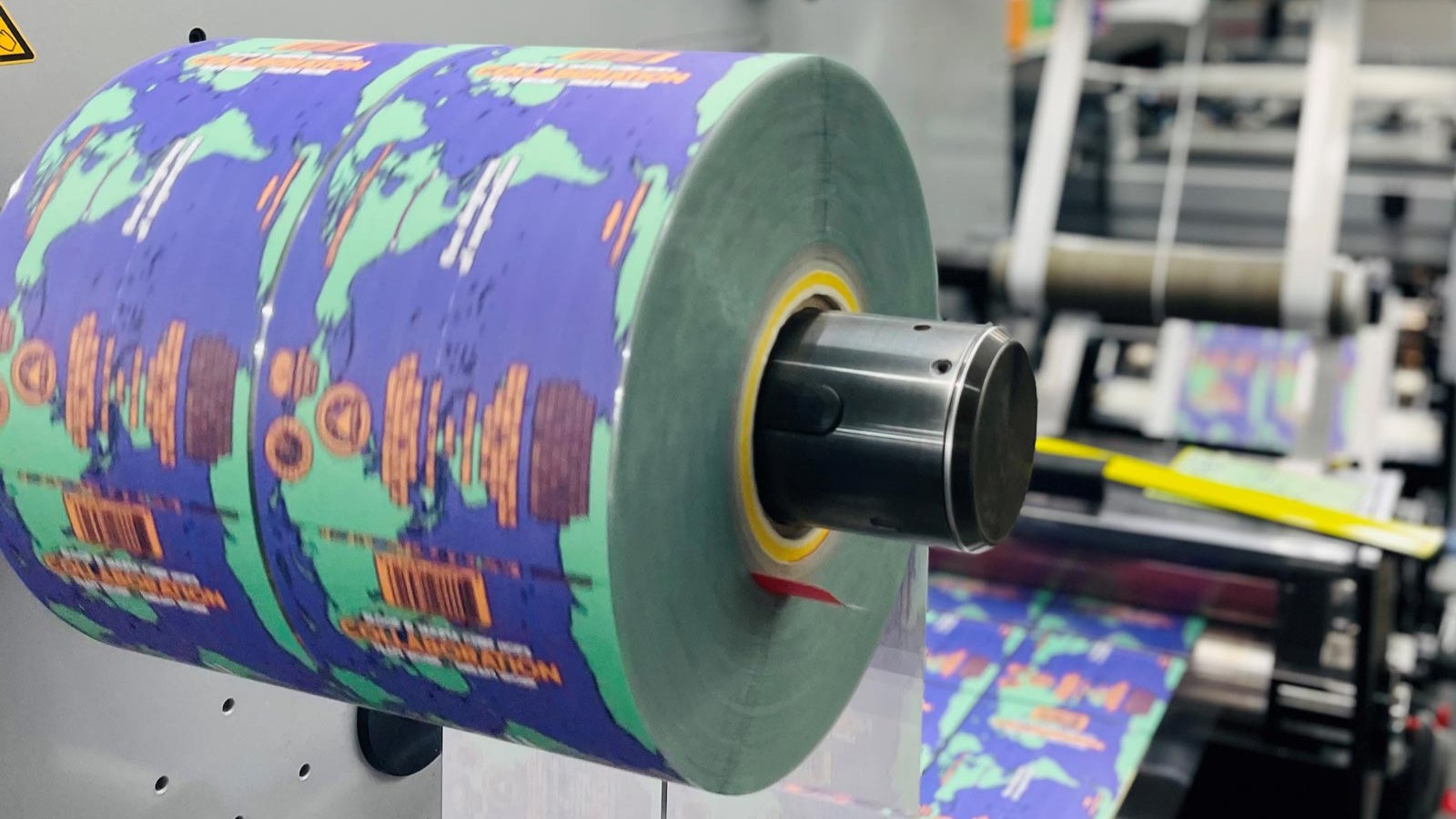
If you ask five printers to name the most sophisticated and modern printing methods, you’ll get seven answers. Here’s the simple version. In my view, the modern stack starts with digital inkjet and HP Indigo’s liquid electrophotography, adds LED UV offset for speed and control, layers in expanded color and smart screening, and tops it all off with digital embellishment plus automation for variable data. That mix covers quality, speed, and flexibility. I’ll walk through each part without fluff. And yes, I’ll use the phrase modern printing methods a few times so we’re clear on the topic.
The modern baseline: high speed digital inkjet
Inkjet has grown from proofing to production. The leap came with single pass architectures and better heads. Think full width arrays that jet UV or water based pigment at press speeds that used to be unthinkable. On corrugated, single pass direct to board systems are now a real alternative to flexo preprint, especially when you need versioning, regionalization, or just faster changeovers.
Why it’s sophisticated
• Native high resolution with grayscale drops for smooth tones
• Closed loop controls that map and mask weak nozzles on the fly
• UV or aqueous ink sets tuned to specific substrates
• Real throughput on industrial materials, not just photo paper
Where it shines
• Corrugated displays and boxes
• Short and mid runs on packaging where cycle time beats make-ready
• Jobs with lots of versions or frequent artwork swaps
Premium digital look: HP Indigo and LEP
Liquid Electrophotography (LEP) is a different digital path. Instead of jets, it images ultra small ElectroInk particles on a plate, transfers them to a heated blanket, then to the sheet. The result looks like offset but comes with digital perks. Current platforms layer in inline spectros, thick white, specialty inks, and smart service tools. Newer lines push speed with LEPx units and more color stations. If your client wants “offset quality” without plates, this is the workhorse.
Why it’s sophisticated
• Thermal offset-style transfer for very fine gloss and smoothness
• Broad substrate range with priming and one-shot imaging modes
• Data driven jobs where every label or sheet can be unique
• Tight color with inline measurement and automated calibration
Where it shines
• Labels and flexible packaging
• Premium commercial print where surface feel matters
• Short runs that still demand exact brand color
LED UV and LE UV offset: fast, clean, and versatile
Offset is not “old” when you swap hot IR dryers for LED UV. Instant curing means faster throughputs, less spray powder, cleaner sheets, and the ability to print on synthetics without special coatings. You get the familiar offset look with quick turn finishing. If your plant already runs offset, LED UV is often the most cost effective quality upgrade you can make.
Why it’s sophisticated
• Instant cure and shorter makeready windows
• Wider material latitude including plastics and textured stocks
• Sharper dots because the ink sets before it can spread
• Lower energy compared to traditional UV systems
Where it shines
• Long runs that still need today-level efficiency
• Mixes of coated, uncoated, and specialty materials in one shift
Expanded color gamut: CMYKOGV the right way
Modern printing methods should cover today’s brand palettes. Expanded color gamut (ECG) using CMYK plus Orange, Green, and Violet lets you hit more spot colors without swapping inks. The industry now has shared characterization targets and workflows, which means ECG can be predictable instead of a science project. On digital corrugated even, six color sets extend gamut at full speed.
Why it’s sophisticated
• More brand matches with a fixed ink set
• Faster changeovers because you do not chase spot mixes
• Consistent profiles across processes so print looks the same on different presses
Where it shines
• Labels and packaging with many brand variants
• Corrugated preprint and post print at scale
Smart screening: hybrid and FM for detail without moiré
Once you push resolution, you still have to place dots wisely. Hybrid screening blends AM and FM patterns, holding tiny highlights and fine lines while keeping midtones stable. Full FM (stochastic) screening avoids rosette patterns altogether, which reduces moiré on tough images and complex overprints. The result is cleaner gradients and extra detail your client can see without a loupe.
Why it’s sophisticated
• Better fine detail without banding
• Holds 1 to 99 percent dots at higher effective rulings
• Plays nicely with ECG and specialty inks
Where it shines
• High end commercial work and premium packaging
• Designs that mix tiny type, textures, and flat tints
Digital embellishment: spot UV, raised effects, and foil without dies
If you produce premium work, digital enhancement presses let you apply spot gloss, textured clear, and even foil with variable data. No plates or dies. You can run one sheet with a raised logo and the next with a different nameplate, all inline with your print. It is a direct way to add value that people can feel in their hands.
Why it’s sophisticated
• Tactile, high margin finishes with short setup
• Variable embellishment for personalized pieces
• Clean registration over digitally printed sheets
Where it shines
• Cosmetics and spirits packaging
• Short run premium covers and direct mail
Direct to textile: DTG, DTF, and single step pigment
Textile has its own wave of modern printing methods. Direct to garment systems put high opacity white and CMYK right on cotton and blends, with new heads and chemistry that can simulate embroidery-like textures. Direct to film workflows print CMYK on film, dust adhesive, cure, and heat press to almost any fabric with durable results. On the industrial side, single step direct to fabric pigment systems combine pre coat, print, and finishing chemistry in-line so you can skip steaming and washing for many applications.
Why it’s sophisticated
• One pass or near one pass garment decoration at scale
• Broad fabric compatibility and strong wash fastness
• Lower water usage compared to legacy textile processes
Where it shines
• On demand fashion and merch
• Short runs for home decor and soft signage
Hybrid and inline converting: one line, many tasks
Today you can combine flexo priming, inkjet imaging, screen whites, cold foil, and die cutting in a single label line. That means fewer touches, fewer queues, and predictable register across steps. For flexible packaging, water based inkjet systems with priming and drying are moving real jobs off gravure in some plants. For corrugated, preprint lines at 110 inches wide with six colors can run true brand work at speed.
Why it’s sophisticated
• End to end jobs in a single pass
• Less waste, faster changeovers
• Easy versioning and nested orders
Where it shines
• Labels with many SKUs and embellishments
• Flexible packaging pilots and short to mid runs
Color management that travels with the job
G7 style gray balance, shared characterization data for ECG, and device link profiles help your print look the same across presses. Couple that with inline spectros and automated verification and you get less subjective tweaking on press. The goal is boring color conversations because everything just matches.
Variable data and file standards that won’t choke
If you print lots of names, QR codes, serialized tags, or personalized images, you need a file format built for it. PDF/VT is exactly that. It packages repeating assets and streams records in a way DFEs can process fast. Modern digital front ends add image based nozzle compensation and parallel rendering so the press doesn’t wait on the RIP. That is what keeps true variable jobs moving.
Automation and AI: fewer surprises, faster recoveries
Real systems now ship with cloud consoles, predictive service, and automated color routines. The goal is simple. See the issue before it hits, shorten calibration, and keep the press making saleable sheets. For a plant manager, that is the difference between padding every schedule and actually hitting the posted turnaround.
A quick note on foundations
If you want a primer on offset plates before LED UV and screening talk, this explainer is solid and beginner friendly: What are Printing Plates?. And if “full bleed” still causes confusion at proof time, point folks to What is Full Bleed Printing?. Both are useful refreshers before you spec any of the modern stuff.
So what should you actually buy or spec
In my opinion
• If you do a lot of labels and flexible packaging, pair HP Indigo for premium short runs with a single pass inkjet or hybrid line for speed and inline converting. Add digital embellishment for the premium SKUs.
• If you still run plenty of commercial offset, add LED UV, hybrid screening, and an ECG workflow. Plates plus curing and smart dots are not old tech. They are modern printing methods that ship today and pay off.
• If apparel is your world, DTG with high opacity white for cotton and DTF for the tricky fabrics is a clean, low minimum play. If you have the volume, look at single step direct to fabric pigment.
• Across all segments, invest in variable-friendly workflows, PDF/VT, inline color measurement, and predictive care. Fancy print is great, but uptime is the real unlock.
Bottom line
“Modern” is not one machine. It is a recipe. Digital inkjet for speed, Indigo for premium look, LED UV offset for efficiency, expanded gamut and smart screening for color, digital embellishment for touch, and automation so jobs move without drama. Use what fits your mix and budget. The rest is noise.