
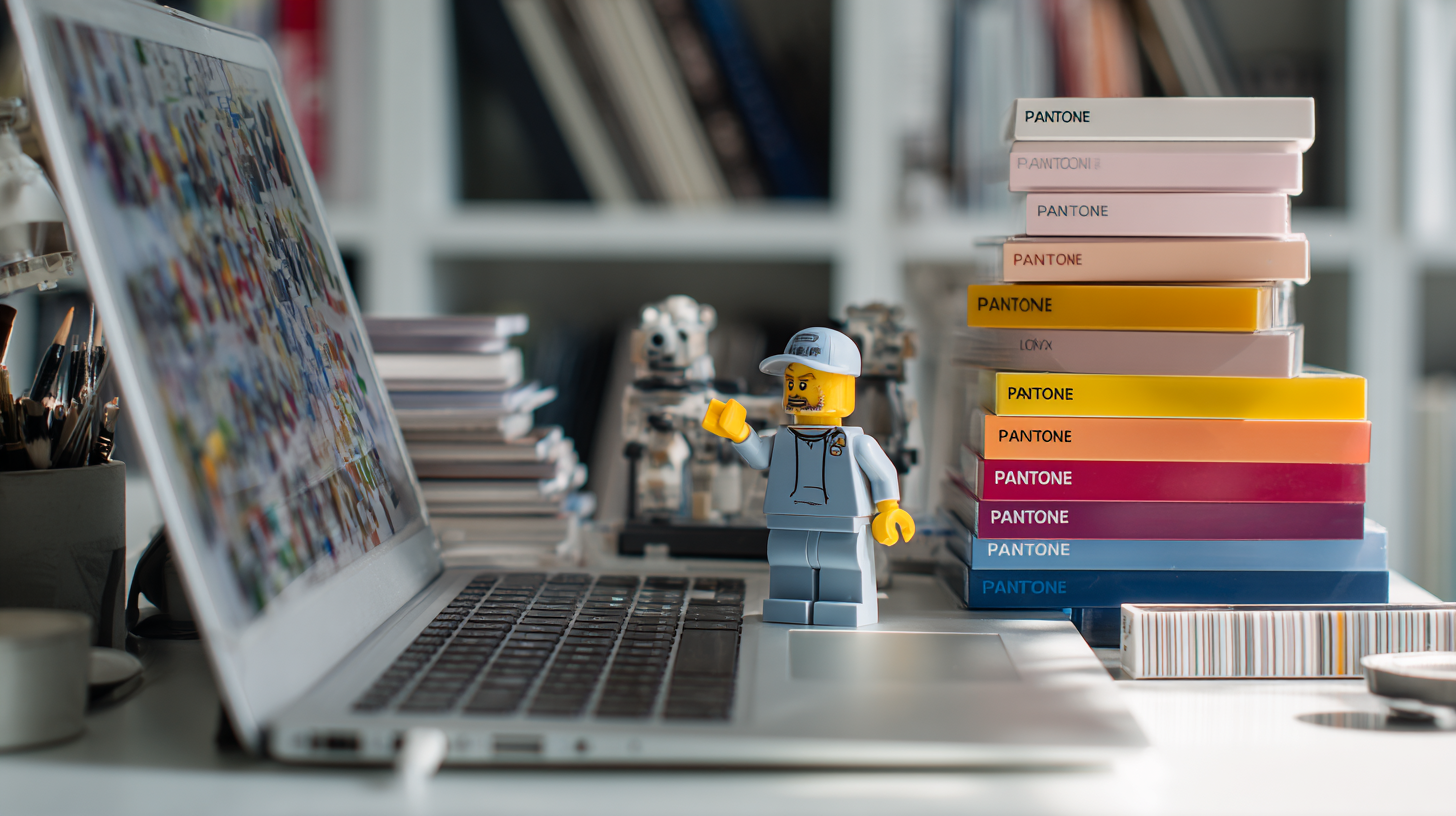
Desktop presses have tightened margins for cafés, boutiques, and pop‑ups that need fifty menus, not five thousand. Yet accurate CMYK still matters. Bright plastic heroes can help. This guide shares practical superhero minifigs color proofing tactics that borrow the high‑saturation suits of tiny icons to speed calibration, slash wasted sheets, and keep print runs lean.
Why use plastic figures as reference swatches?
Classic color bars feel clinical. A red‑and‑gold torso, though, shows real‑world saturation, gloss, and edge definition. Because every branded minifig line is mass‑produced, hue consistency rivals Pantone chips at a fraction of the price. Keep one set in your print drawer and you’ve got a portable rainbow to check magenta drift or cyan contamination before burning through ten sheets of 100‑lb cover.
Quick pick list for the brightest costumes
You want bold primaries and secondaries—not muted tactical gear. A quick scroll through Avengers minifigs reveals capes and helmets that cover the CMYK spectrum from fire‑engine reds to electric blues. Their glossy ABS surfaces mimic coated cardstock glare, making them ideal for on‑press checks.
The five‑minute calibration routine
1. Photograph the lineup
Snap your chosen figures against bright‑white copy paper under shop lighting. This photo becomes your digital baseline. Store it in the press workstation.
2. Print the same shot at actual size
Run a single sheet through your desktop press at your default settings. Lay the photo beside the print. Eye‑dropper values aren’t necessary; naked‑eye comparison works because the human brain notices off‑brand reds instantly.
3. Nudge curves, not density
If blues skew purple, drop magenta a hair in your RIP curves. Tiny tweaks beat blanket density boosts that flatten shadows.
4. Reprint half‑size
Quarter‑scale tests use less ink and paper. Compare again. Two passes usually land within 2 ΔE of the plastic reference—close enough for menus, promo cards, or 250‑piece box labels.
5. Lock the preset
Save the curve as “Minifig Ref – July 2025” so next week’s run skips steps 1‑3.
Subtle color shifts small shops often miss
Blue bleed from old cyan drums
Desktop units push cyan density when drums near end‑of‑life. A pale‑blue mask visor will look duller than your original photo. Replace drums sooner rather than chasing the curve weekly.
Over‑dry gloss on uncoated stocks
Figures shine. Uncoated kraft doesn’t. Accept that final prints read warmer and duller on absorbent stocks, or spray a quick gloss coat to close the gap.
Using minifigs as customer proof tools
Nothing convinces a picky café owner faster than seeing the torch‑red boots of a figure match her brand PMS 485. Place the fig on the proof sheet during sign‑off. Clients understand color faster than with Lab numbers alone.
If your customers geek out over process details, point them to this plain‑language breakdown of vinyl versus BOPP label stocks so they know why coated stocks photograph truer.
Building a low‑cost reference kit
- Primary pack: red, yellow, blue heroes for CMY; white helmet for highlight; black cowl for K.
- Secondary pack: green, orange, violet for composite checks.
- Neutral cards: 18 percent gray chip printed on your own press for tone curve reference.
Store figs in a fishing‑lure tackle box. Each slot labeled by color code makes grab‑and‑go setups easy.
Lighting matters more than gear
Phones shoot fine. What wrecks accuracy is mixed bulbs. Use daylight‑balanced LEDs near 5000 K. A cheap light tent and diffuser cloth cut specular hotspots on glossy heads.
Case study: 40‑menu run for a food truck
The truck’s logo—deep royal blue with lime‑green accent—skewed teal on first proof. A blue‑cape hero and lime visor flagged the difference immediately. Cyan was five points high, yellow four points low. Adjust, reprint quarter‑size, spot‑on match. Total paper wasted: three sheets. Time: twelve minutes. Client signed during lunch rush.
For broader production planning, we outlined similar step‑saving techniques in our guide to steps for business card printing. Many principles overlap: test small, adjust early, lock presets.
Maintaining figure fidelity
ABS ages in UV. Rotate new figures into your kit yearly. Keep a log of purchase dates and initial photo values so drift is trackable.
Sourcing figures quickly
Local toy shops work when deadlines aren’t tight. I get mine from minifig.biz because their warehouse restocks fast and the print quality is consistent.
Final checklist before the press warms up
- Reference photo matches today’s lighting
- Figures wiped clean of finger oil
- Test sheet printed, compared, adjusted
- Curve saved under today’s name
- Client sees proof with figure on top
- Production run uses locked preset
Follow that list and you’ll burn through fewer reprints while keeping hues on‑brand.